
The Case for an Annual Drone Roof Inspection in San Diego County: Storm Prep and Insurance Peace of Mind

San Diego County is bracing for a Super El Niño winter. In our last post we looked at how a full home inspection can help your home stand up to heavier rain and stronger storms this season. A one time check before the rain starts is a smart move, but for homeowners who want to stay ahead of roof problems year after year, not just once before a big storm, an annual drone roof inspection is worth adding to your home maintenance routine.
What Is an Annual Drone Roof Inspection?
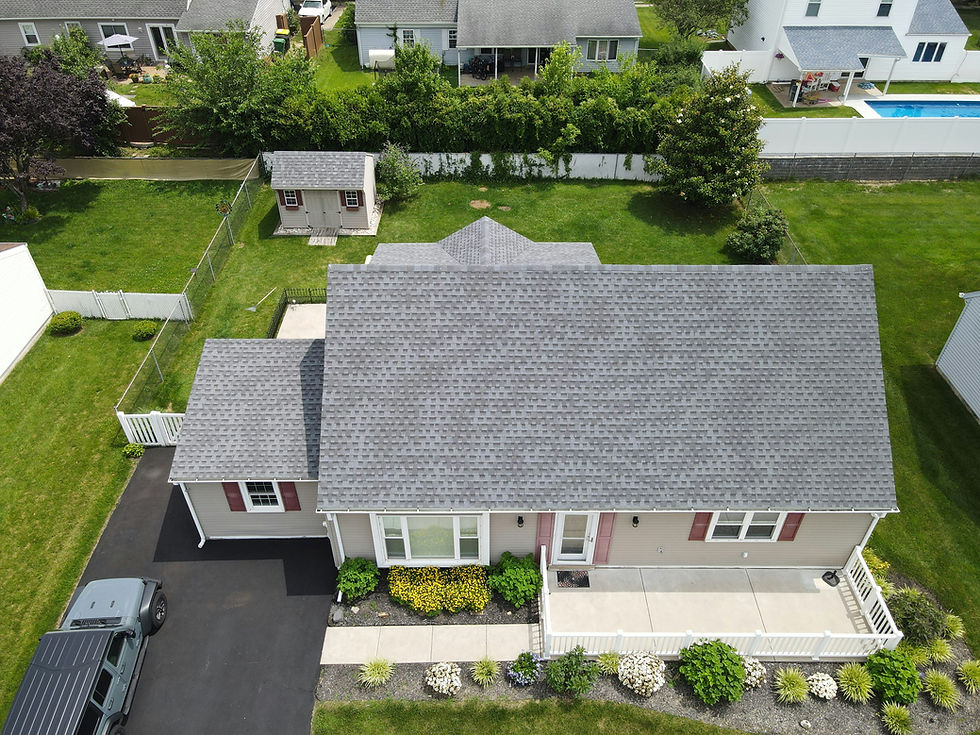
An annual drone roof inspection is an aerial, visual assessment of your home's primary roof system, flashing, gutters, and drainage. Using a drone, we capture close up photos and video of the entire roof surface, including areas that are steep, high, or otherwise hard to see safely from the ground or roof edge. The result is a documented, dated record of roof condition you can compare year over year, making it easier to catch small changes before they become bigger problems.
If you are new to this service, our earlier post on drone roof inspections for home buyers covers the basics of how the technology works and what it can reveal.
A drone roof inspection is a valuable tool, and like any tool, it works best when you understand what it is suited for. It is not a C-39 roof certification, and it does not replace an evaluation by a licensed roofing contractor when certification, repair, or warranty work is needed. What it does offer is a clear, current picture of visible roof conditions from angles that are otherwise hard to capture, giving you useful information to guide your next step, whether that means peace of mind for another year or a reason to bring in a specialist for a closer look.
Why Timing Matters
Roof problems rarely show up out of nowhere. A tile that has shifted, a section of flashing that has started to pull away, or a gutter clogged with debris are often visible well before they cause a leak. The challenge is that most homeowners never see these details, because most roofs are simply too steep, too high, or too dangerous to walk and inspect closely on your own.
An annual drone inspection, done in the fall before the rainy season arrives, gives you a chance to catch these small issues while they are still small. Addressing a loose tile or a clogged gutter in October is a lot less expensive and disruptive than dealing with water damage to ceilings, insulation, or framing in January.

The Insurance Angle
California homeowners insurance has become noticeably harder to secure and keep in recent years, and roof condition is one of the most common reasons insurers cite when limiting coverage, requiring a higher deductible, or declining to renew a policy. Insurers are increasingly asking for proof of roof condition, sometimes with very little notice.
An annual drone roof inspection report gives you a dated, photo documented record you can turn to when an insurer asks for evidence of roof condition, or when you need to respond to a nonrenewal notice. Rather than scrambling to schedule an inspection after receiving a letter from your insurance company, you already have current documentation on hand.

What's Assessed and What Isn't
A drone roof inspection looks at the roof covering, such as shingles, tile, or membrane, along with flashing, gutters, and visible drainage patterns from the air. What it cannot assess is anything not visible from above. This includes the condition of the underlayment beneath the roof covering, the structural integrity of the roof decking, and any conditions hidden from aerial view by tree cover, roof pitch, or other obstructions. These same limitations apply to any drone roof inspection, whether it is a one time pre-purchase check or part of an annual maintenance routine.
Who This Service Is For
An annual drone roof inspection is a good fit for a few different situations. Current homeowners can use it as part of a regular home maintenance routine, done once a year before the rainy season. Sellers can use it to get ahead of a potential insurance issue before listing a home, since an insurance related surprise mid escrow can slow down or derail a sale. Real estate agents whose clients have received a coverage restriction or nonrenewal notice can point them toward this service as a way to respond with documentation rather than guesswork.
Schedule Your Annual Drone Roof Inspection
If it has been a while since anyone has taken a close look at your roof, now is a good time, before this winter's storms arrive. Contact Cedrus Property Inspections to schedule an annual drone roof inspection and start building a documented history of your roof's condition.
Frequently Asked Questions
How is an annual drone roof inspection different from a full home inspection?
A full home inspection looks at the whole property, from the foundation to the roof. An annual drone roof inspection focuses only on the roof system, flashing, gutters, and drainage, viewed from the air. It's a lighter weight, lower cost way to check on roof condition between full inspections.
Will this satisfy my insurance company if they ask for proof of roof condition?
It can help. The report gives you dated, photo documented evidence of roof condition that you can share with your insurer. Whether it fully satisfies a specific request depends on what your insurance company is asking for, so it's worth checking with your agent or insurer about their exact requirements.
Does a drone roof inspection replace a roof certification?
No. This is not a C-39 roof certification under California Business and Professions Code Section 7197, and it does not replace an evaluation by a licensed roofing contractor for repair, replacement, or certification purposes.
How long does the inspection take?
Most annual drone roof inspections take under an hour on site, depending on the size and complexity of the roof.
Do I need to be home for it?
No. Since the inspection is done entirely from the air, you do not need to be present, though many homeowners like to be there to ask questions.
What happens if the inspection finds a problem?
The report will describe what was observed, using clear language, along with photos. From there, you can decide whether to bring in a roofing contractor for a closer look or repair.
Does this cover my detached garage or other structures?
The primary roof, attached structures, flashing, and gutters are included. Detached garages, sheds, and other secondary structures are not included by default but can be added on request.
How often should I schedule this?
Once a year, ideally in the fall before the rainy season, is a good routine. Homeowners in areas with frequent storms or an aging roof may want to check more often.


Comments