
A Super El Niño Is Forecast for This Winter: How a Home Inspection Can Help Prepare Your San Diego County Home for Foul Weather
Updated: Oct 11
# Preparing for El Niño: Essential Home Inspections in San Diego County
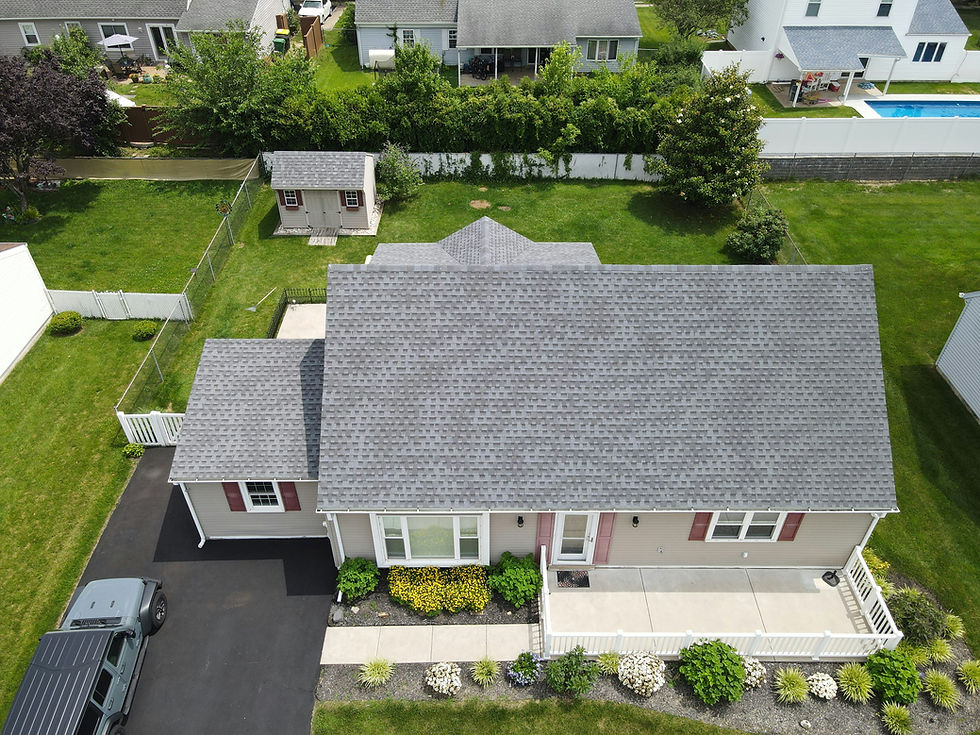
To check your roof before the rains arrive, see our drone roof inspection services; for a complete look at the home, see our full home inspection services.
NOAA has confirmed El Niño conditions for winter 2026 into 2027, with a real chance of reaching Super El Niño strength. For San Diego homeowners and buyers, that raises the odds of a wetter than normal winter, which makes a full home inspection, covering roof, drainage, and water management systems, a smart step to take before the rain arrives.
If you've noticed more talk about El Niño this year, it's not just weather chatter. NOAA's Climate Prediction Center has moved El Niño from a Watch to an Advisory. This means conditions are already present in the tropical Pacific rather than simply expected. Forecasters currently put the odds of El Niño persisting through winter 2026 into spring 2027 at over 95 percent. There’s a real possibility it could strengthen into what's sometimes called a "Super El Niño," one of the more intense events on record.
For North County San Diego homeowners and buyers, this is worth paying attention to. It doesn't guarantee a specific outcome, and El Niño winters don't always deliver heavy rain here. However, when they do, the effects show up fastest in the parts of a home most people rarely think about: the roof and the drainage system.

What a Strong El Niño Typically Means for Southern California
During a strong El Niño, the Pacific storm track tends to shift south. This increases the odds of more frequent and intense atmospheric river events reaching Southern California. Historically, strong El Niño winters have produced rainfall totals well above our seasonal average in many years.
It's worth noting that this isn't automatic. The strong El Niño of 2015 to 2016 turned out to be one of the drier winters on record for Los Angeles, despite the strength of the event. Every El Niño behaves a little differently. What forecasters can say with more confidence is that the odds are tilted toward a wetter than normal winter. It’s reasonable to prepare as if meaningful rain is coming.
Homes Here Aren't Always Built for Sustained Rain
Most homes in our area are designed around a fairly predictable pattern: long dry stretches, with rain concentrated into a handful of storms each winter. Roofing materials, flashing details, gutter systems, and site grading that perform adequately in a typical year can be marginal once you add sustained or repeated heavy rainfall to the equation.
A roof with a few more years of service life left, a downspout that discharges too close to the foundation, or a section of yard that drains toward the house instead of away from it may never cause a visible problem in a light winter. In a wet one, those same conditions are often where trouble starts.

Buying a Home This Winter? Pay Extra Attention to Water
If you're planning to buy in North County over the next several months, this El Niño pattern adds a wrinkle worth understanding.
Many home showings and even inspections happen during dry weather. This means a property's true drainage and roof performance may not be visible at the time you're making an offer. A yard that looks fine on a sunny afternoon can behave very differently during a sustained storm. A roof that shows no interior staining today may already have a developing flashing or membrane issue that hasn't been triggered by rain yet.
That's exactly why water drainage, water management, and roof condition deserve extra weight in a buyer's inspection this year, not less. A thorough inspection looks at grading and drainage patterns, gutter and downspout condition and discharge points, roof covering age and condition, flashing at penetrations and valleys, and signs of past moisture intrusion at crawlspaces, foundations, and lower-level walls, even when it hasn't rained in weeks. Catching a marginal condition before closing gives a buyer real options: negotiate, plan for a near-term repair, or simply go in with clear eyes about what to budget for. Waiting until the first big storm of the winter to find out is a much more expensive way to learn the same information.

Where Water Problems Actually Start
A handful of areas account for most water-related issues we see:
Roof covering condition and age. Materials nearing the end of their service life are more likely to develop leaks under sustained or heavy rain, even without any single dramatic failure point.
Flashing at penetrations and valleys. Vent pipes, chimneys, skylights, and roof valleys are common places for water to find a way in, often well before it shows up as a stain on a ceiling.
Gutters and downspouts. Undersized, clogged, or poorly routed systems can overwhelm quickly during a heavier storm, sending water where it doesn't belong.
Site grading and drainage. Water needs a clear path away from the foundation. Even a modest amount of negative slope toward the house can lead to a wet crawlspace or slow foundation issues over time.
Slopes and retaining walls. Many North County properties sit on graded or canyon lots, where slope drainage and retaining wall condition matter more than they would on a flat lot.

The Case for Getting Ahead of Super El Niño in San Diego County: Schedule A Home Inspection
A full home inspection now, before the winter's first significant El Niño storms arrive in San Diego County, gives a homeowner or buyer something valuable: time. Roof and drainage issues rarely show up in isolation. A gutter that's overflowing is often connected to a grading issue at the foundation. A roof leak found in the attic tells you something different depending on the condition of the insulation and ventilation around it. A full inspection looks at the home as one connected system. This way, a developing water issue gets caught in context, not as an isolated repair item.
Developing issues are almost always less costly and less disruptive to address while they're still small. Just as important, contractors tend to have far more availability before a wet winter gets underway than they do after several storms have already come through and everyone with a leaky roof or a flooded yard is calling at once.
This isn't about predicting disaster. It's about applying the same methodical, evidence-based approach to your home that you'd want from any professional assessment, done at a time when it can actually do the most good.
FAQ
Why a full inspection instead of just having someone look at the roof?
Roof and drainage problems are rarely isolated. A full home inspection evaluates the roof, gutters, grading, crawlspace, attic, and foundation together. A condition in one area often explains or predicts a condition in another. That connected view is what makes the findings useful, rather than a single data point about the roof alone.
I already had an inspection when I bought the home. Do I need another one?
If your inspection was more than a year or two ago, a full inspection ahead of this winter can still be worthwhile. Roof and drainage conditions change over time, and this year's forecast raises the stakes of anything that's developed since.
Does this help with anything beyond avoiding damage?
A documented full inspection report can also be useful context for insurance renewal conversations. This is particularly relevant in a year when insurers are paying closer attention to weather risk.
What if I'm buying a home right now, during escrow?
This is exactly the situation where a full inspection earns its keep. Beyond the roof and drainage items covered here, it gives you a complete, documented picture of the home's condition to make your decision with, not just the pieces most relevant to this year's forecast.
Is this specific to older homes?
No. Newer homes can have grading, flashing, or gutter issues too. Age is one factor among several, not a stand-in for condition.
Preparing for the Future
As we anticipate the upcoming winter, it’s crucial to consider how El Niño may impact our homes. A proactive approach can save you time, money, and stress. By understanding the potential risks and taking steps to mitigate them, you can ensure your home remains a safe and comfortable place.
A Methodical Approach. Clear, Objective Reporting. Less Anxiety.
Have questions about how your home will hold up this winter? Reach out to schedule a full home inspection.
Related reading: What Can a Drone Roof Inspection Detect That I Can't See? and The SoCal Homeowner’s Guide to S-Tile Roofs: What Your Inspector Looks For and Lifespan.


Comments