
The Roof Age Problem: What Every North San Diego County, California Home Buyer Should Know Before Insurance Shopping
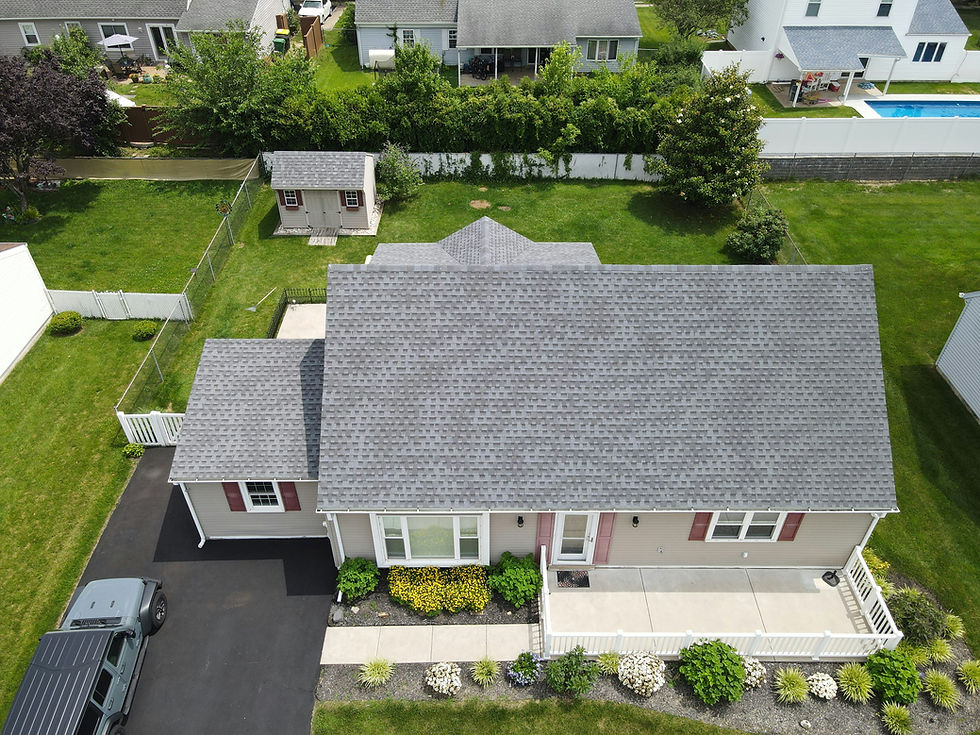
A few years ago, a buyer's roof age barely came up outside of an inspection report. Today, it can be the reason a lender-required insurance policy gets flagged, delayed, or denied mid escrow. California's insurance market has shifted enough that roof age now belongs on the same short list of concerns as foundation and electrical panel condition. Here's what it is, how long it actually lasts in our climate, and why it matters more to your insurance company than it used to.

What Is an Asphalt Shingle Roof?
Asphalt shingles are the most common roofing material on homes across North County. Each shingle is a layer of fiberglass matting coated in asphalt and topped with mineral granules that provide color, UV protection, and fire resistance. They're affordable, straightforward to install, and easy to repair in sections, which is part of why they remain the default choice for new construction and re-roofs alike.
How Long Does One Actually Last Here?
Manufacturer warranties often advertise 25 to 30 years, but that number assumes a moderate climate. San Diego County isn't one. We get well over 260 sunny days a year, and roof surface temperatures can reach 150 to 160°F on an ordinary summer afternoon, even when the air temperature is only in the 80s or 90s. That kind of UV exposure and heat cycling breaks down the asphalt binders faster than the warranty label suggests, causing granule loss, curling, and brittleness well ahead of schedule. Coastal properties benefit somewhat from the marine layer, while inland North County homes see faster wear. In practice, most asphalt shingle roofs in our area hold up well for 18 to 25 years, with the higher end reserved for well-ventilated attics, quality installation, and regular maintenance.
What a Home Inspection Looks At, and What Comes Next
During a home inspection, I document the roof's visible condition: granule loss, cracked or curling shingles, exposed or corroded fasteners, flashing condition around chimneys and vents, and signs of attic ventilation problems that accelerate wear from underneath. This gives buyers, sellers, and agents an objective, methodical picture of where the roof stands today.
One distinction worth understanding: a home inspection is not the same thing as a roof certification. Under California law, only a licensed C-39 roofing contractor can issue that document, which warrants a roof leak-free for a specified term. My role is to flag when a roof is aging or showing wear that warrants that closer look, so you know early rather than discovering it during underwriting. Catching it at the inspection stage, instead of waiting for an insurance company to catch it later, keeps escrow moving instead of stalling it.

Why Roof Age Has Become a Home Insurance Problem in California
This is the part that surprises most buyers and sellers. California's homeowners insurance market has tightened dramatically over the past few years. Major carriers have paused or limited new business across large parts of the state, and enrollment in the California FAIR Plan, the state's insurer of last resort, jumped 43 percent between late 2024 and late 2025 alone as private insurers pulled back.
Roof age has become one of the underwriting factors insurers weigh most heavily, sometimes independent of how the roof actually looks. A review of underwriting filings from the twenty largest homeowners insurers in California, representing roughly 90 percent of the state's premium volume, found that roof age, material, and design are now central to whether a policy gets written or renewed at all.
There's no single statewide cutoff, but a pattern has emerged. Many carriers begin closer scrutiny once an asphalt shingle roof passes 15 to 20 years, and a roof over 20 to 25 years often triggers a required inspection, a shift from full replacement cost coverage to a depreciated actual cash value payout, or a non-renewal notice outright. The FAIR Plan itself won't offer full replacement cost coverage on a home over 25 years old unless the roof has been replaced within that window.
Some insurers are now using aerial and satellite imagery to flag aging roofs for review without ever setting foot on the property, which means a roof can trigger a coverage problem before anyone involved in a transaction realizes there's an issue. For a buyer, that can mean a financing delay discovered during underwriting. For a seller, it can mean a request that surfaces after the home is already in contract, when there's far less room to negotiate or plan.
This isn't unique to asphalt shingles. Insurers apply the same age-based scrutiny to other roofing materials: tile roofs are evaluated on underlayment age rather than the visible tile, flat and low-slope roofs on membrane condition, and wood shake often gets flagged for wildfire risk regardless of age. Asphalt shingle comes up most often here because it's the dominant material in North County, and because its shorter lifespan in our climate means it reaches those insurer age thresholds sooner than tile or metal roofs do.
Don't Wait to Find Out
The roof is one of the few things on a home that both a buyer's inspector and a buyer's insurance company are going to scrutinize closely, for different but related reasons. Finding out where yours stands early, before it becomes a financing contingency or a renewal notice, is the difference between a manageable repair item and a stalled escrow.
A home inspection is the right first step. It gives you an objective, documented assessment of the roof's current condition and age, and flags early whether a closer look from a licensed roofing contractor is warranted, so that process can start immediately instead of adding delay later.
If you're buying, selling, or simply want to know where your roof stands, schedule your inspection with Cedrus Property Inspections. Don't wait until an insurance company brings it up first.
cedrusinspections.com | 619-880-0245 | info@cedrusinspections.com
A Methodical Approach. Clear, Objective Reporting. Less Anxiety.
Frequently Asked Questions
How old can a roof be before insurance won't cover it in California?
There's no single statewide cutoff, but many insurers begin closer scrutiny once an asphalt shingle roof passes 15 to 20 years. Roofs over 20 to 25 years often face a required inspection, a shift to actual cash value coverage instead of full replacement cost, or non-renewal.
Do I need a new roof to sell my house in North San Diego County?
Not necessarily. But if the roof is approaching 20 years or older, a pre-listing inspection can flag issues early so they don't surface as an insurance problem once the buyer is already in escrow.
What's the difference between a home inspection and a roof certification in California?
A home inspection documents the roof's visible condition and age. A roof certification is a separate legal document that only a licensed C-39 roofing contractor can issue, warranting the roof leak-free for a set term.
How long do asphalt shingle roofs actually last in Southern California?
Most hold up well for 18 to 25 years in this climate, shorter than manufacturer warranties suggest, because of intense UV exposure and heat cycling on the roof surface.
My roof is getting close to 20 years old. What should I do first?
Start with a home inspection. It gives you an objective read on the roof's current condition, and if anything would concern an insurer, you'll know early enough to bring in a licensed roofing contractor before it becomes an escrow problem.
Can an insurance company drop my policy over roof age alone, even with no visible damage?
Yes. Some insurers use aerial or satellite imagery to flag aging roofs for review, and age by itself, independent of visible wear, is increasingly used as an underwriting factor in California.
Is this roof age insurance issue only a problem for asphalt shingle roofs?
No. Insurers scrutinize aging roofs of every material: tile roofs by underlayment age rather than the visible tile, flat roofs by membrane condition, and wood shake often flagged for wildfire risk regardless of age. Asphalt shingle comes up most often in North County simply because it's the dominant roofing material here, and because its shorter lifespan means it reaches insurer age thresholds sooner than tile or metal roofs do.
References
Insurance Business Magazine, “California insurers tighten roof coverage rules,” 2026. insurancebusinessmag.com
California Department of Insurance, “Reform made real: California Department of Insurance completes final evaluation of innovative forward-looking model,” insurance.ca.gov
Bloomberg, “California Insurance Crisis Hits Even Homes Facing Lower Wildfire Risk,” March 2026
Stanford Woods Institute for the Environment, “California's home insurance crisis is spreading beyond wildfire country,” June 2026
Beinsure, “California FAIR Plan now insures more new home loans,” 2026
Right Way Roofing OC, “What Is a Roof Certification in California and Do You Need One?” (citing California Business and Professions Code Section 7197)
Alma Roofing San Diego, “How Long Do Asphalt Shingles Last?”
InterNACHI, “Mastering Roof Inspections: Asphalt Composition Shingles” series, nachi.org


Comments